AGGREGATE: NEWS & EVENTS
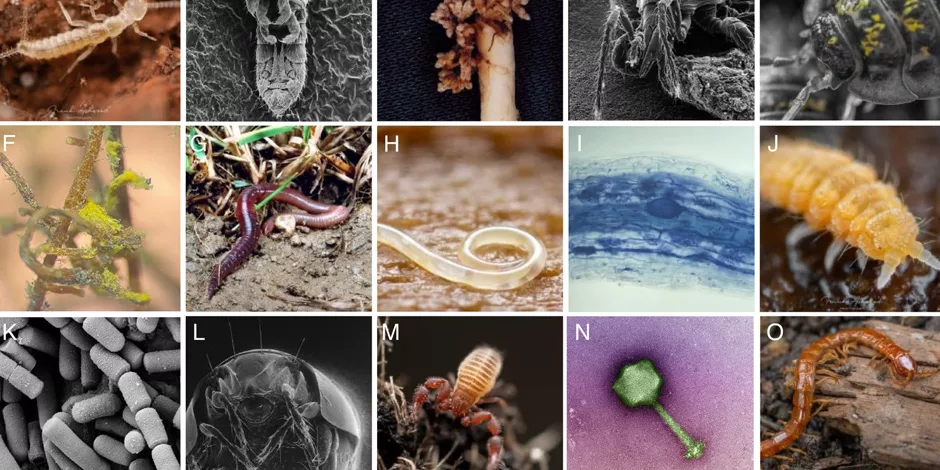
More than half of Earth’s species live in soil, study finds
Soil estimated to be home to 90% of world’s fungi, 85% of plants and more than 50% of bacteria, making it the world’s most species-rich habitat.
Soil organisms mediate unique functions we rely on for food, fiber, and human and planetary health. Despite the significance of soil life, we lack a quantitative estimate of soil biodiversity, making it challenging to advocate for the importance of protecting, preserving, and restoring soil life. Here, authors show that soil is likely home to 59% of life including everything from microbes to mammals, making it the singular most biodiverse habitat on Earth. The enumeration in this paper can enable stakeholders to more quantitatively advocate for soils in the face of the biodiversity crisis.
Current projects
Aggregate: News & Events
MORE STORIES

Register now for the 2026 Soil Science Australia National Conference
Western Australia is hosting the conference on Whadjuk Noongar Boodja in Boorloo (Perth) from November 1-5, 2026.
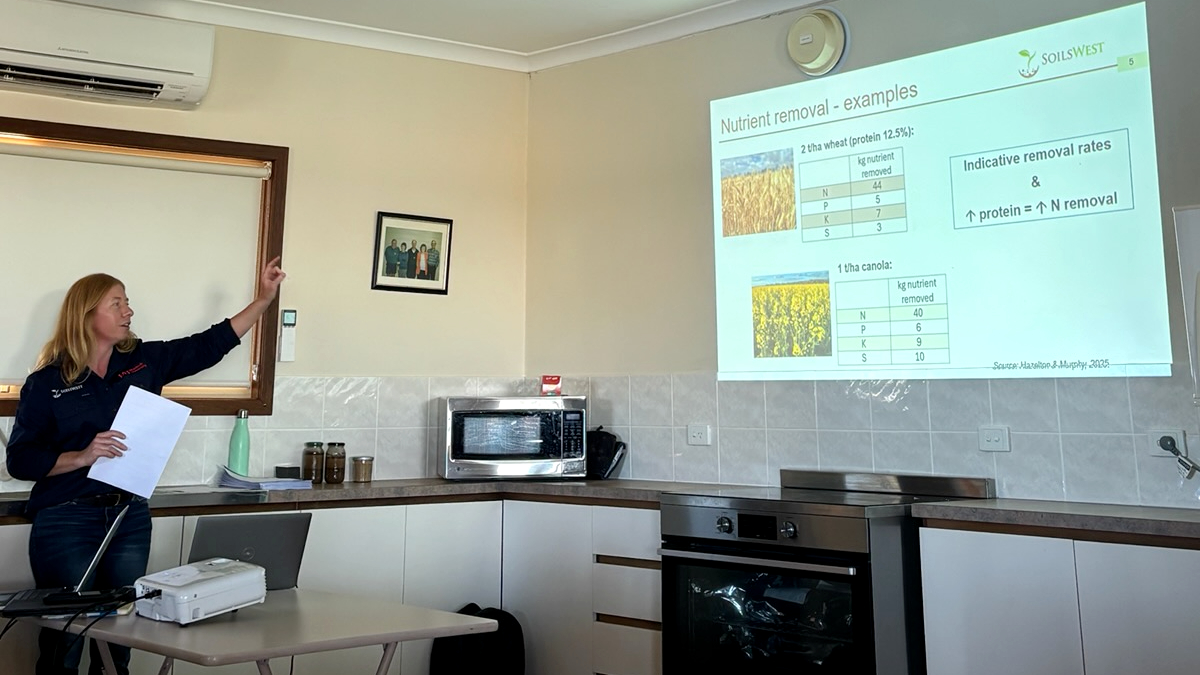
Regional nutrition workshops kick off in Moorine Rock
The first SoilsWest-GRDC regional soil and plant nutrition workshop was held in the Wheatbelt town on March 4.
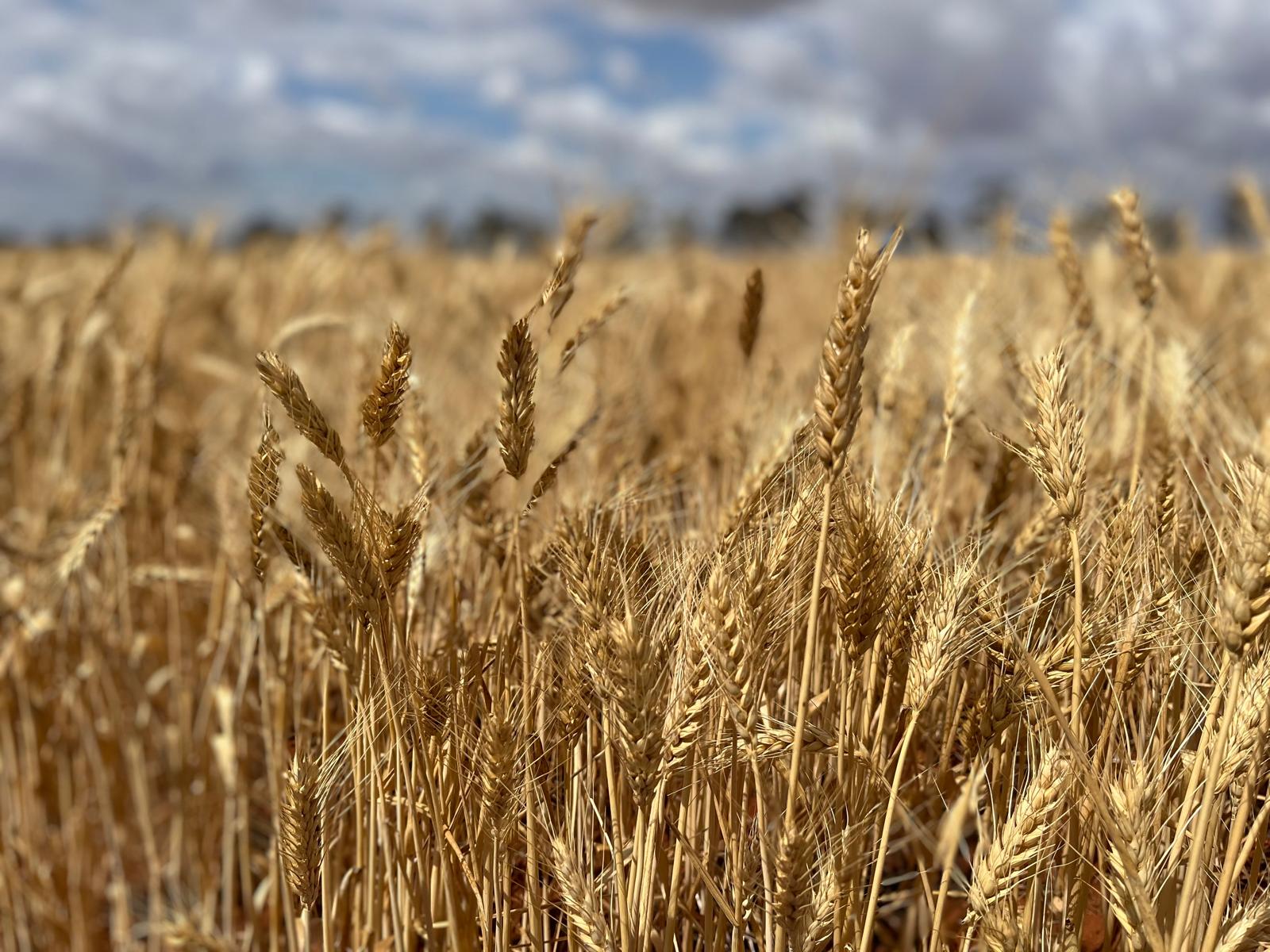
DPIRD seeking lead research scientist
JOB OPPORTUNITY: DPIRD has advertised for a Principal Research Scientist (Level 4)/Senior Research Scientist (Level 3) for its Soil Science and Crop Nutrition branch.
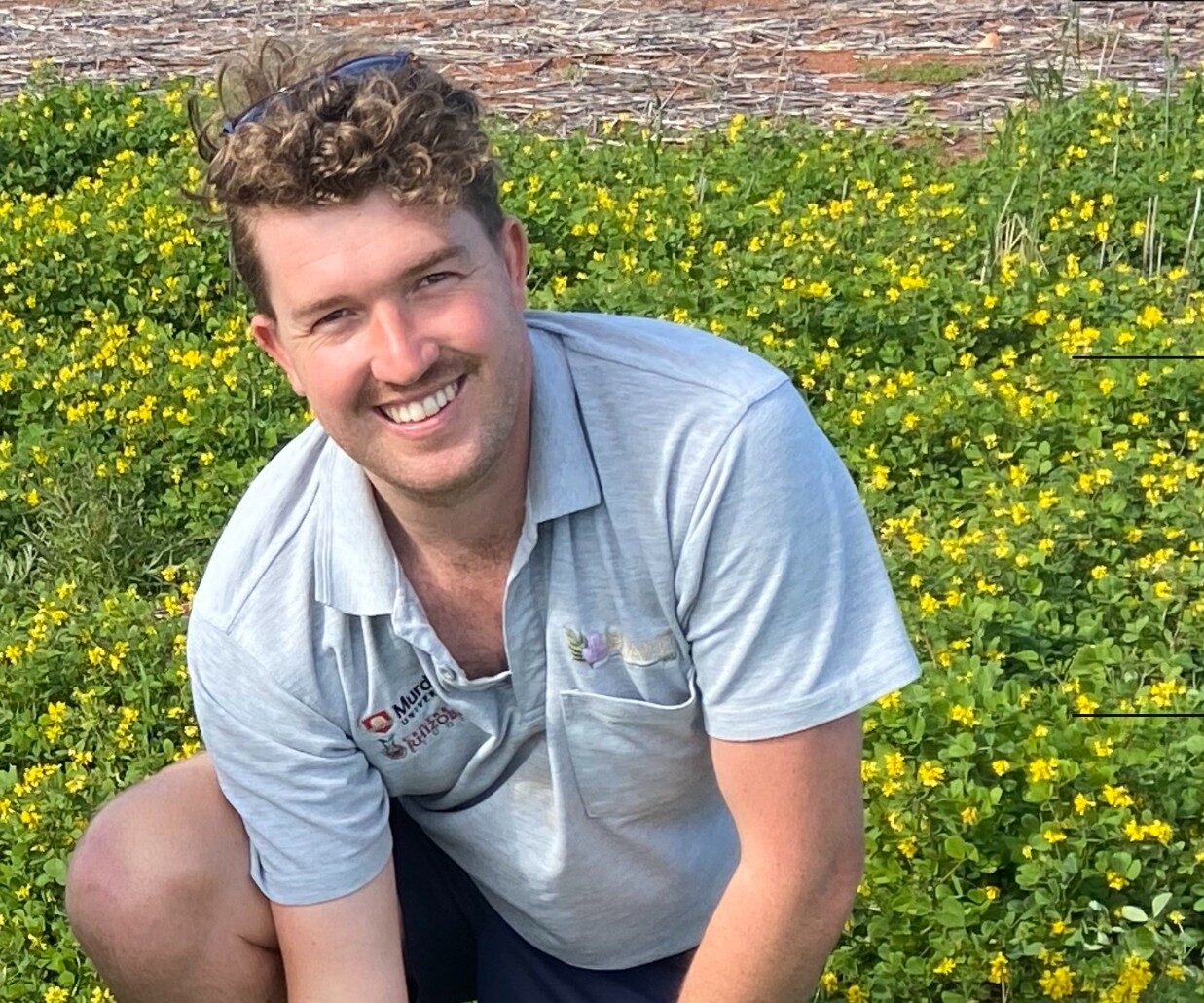
Legume research to improve sustainable cereal rotations
DPIRD MEDIA RELEASE: The nitrogen benefit from different legume species in cereal-based crop rotations has been quantified by Western Australian research to help boost yields, reduce fertiliser costs and industry emissions.
Tagged biodiversity, external


