AGGREGATE: NEWS & EVENTS
Legume research to improve sustainable cereal rotations
THE NITROGEN benefit from different legume species in cereal-based crop rotations has been quantified by Western Australian research to help boost yields, reduce fertiliser costs and industry emissions.
The Department of Primary Industries and Regional Development (DPIRD) profiled the study at the Grains Research and Development Corporation (GRDC) Research Updates in Perth on Tuesday.
The research quantified the timing and magnitude of nitrogen release from decomposing legume stubbles and determined the extent to which this nitrogen was recovered by subsequent cereal crops.
The four year rotational trial, undertaken with GRDC co-investment and support from the WA Agricultural Research Collaboration, CSIRO and Murdoch University, was established in 2023 on duplex soil at Konnongorring, south of Wongan Hills.
The work evaluated nitrogen supplies from residue mineralisation (decomposition) of clover, serradella, lupins, Trigonella and woolly pod vetch.
Photo: DPIRD research scientist Robert Harrison discussed research to quantify nitrogen supplies from decomposing legume stubbles and the benefit to subsequent cereal crops at the GRDC Crop Updates 2026.
MORE STORIES

New online courses dig deeper to deliver critical soil information
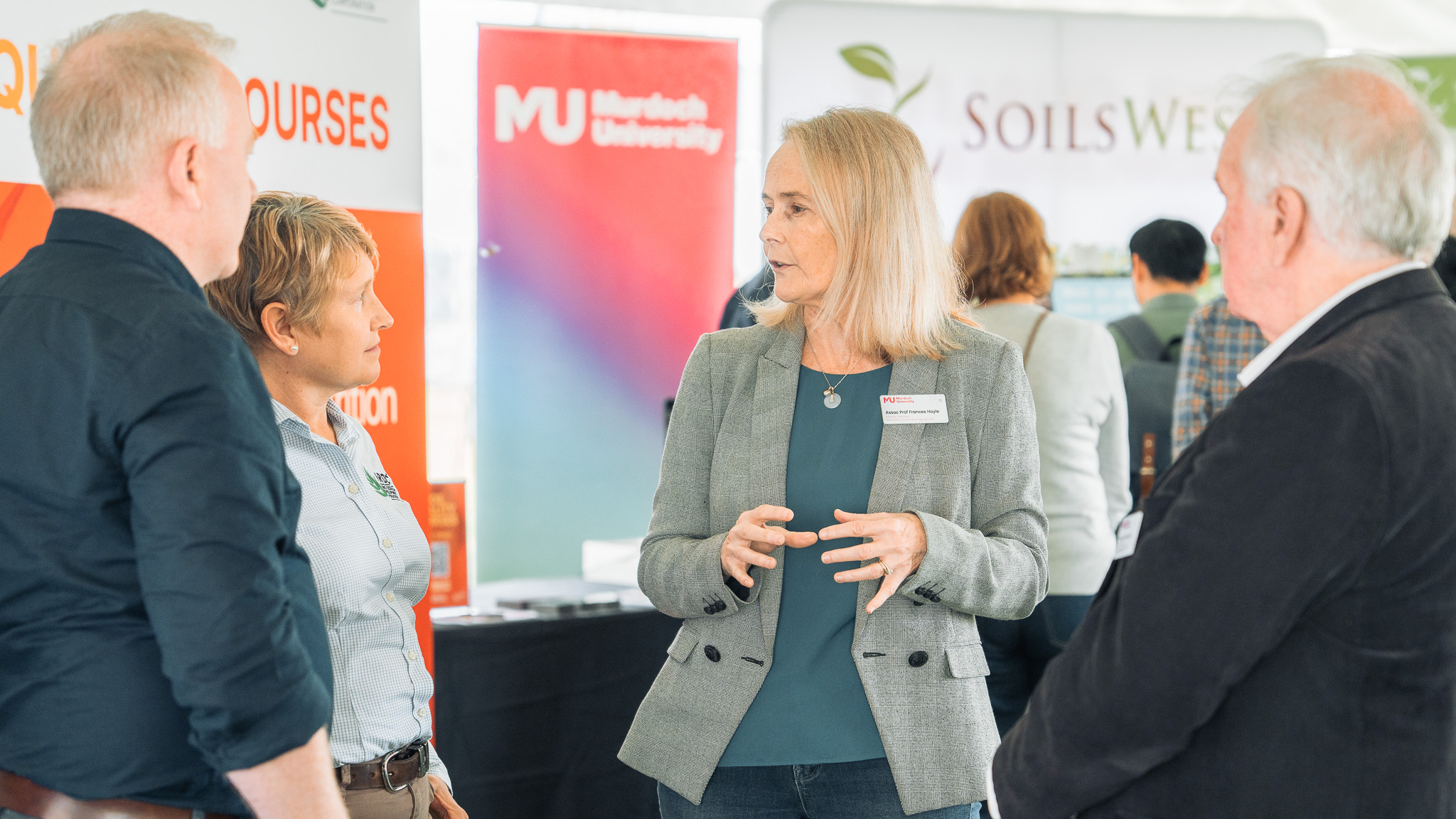
Soil Quality Courses was launched at the 2026 GRDC Grains Research Update held in Perth over the last two days.

What makes a good maintenance lime strategy?
In this third and final instalment of the DPIRD Lime Series, we look at estimating maintenance lime rates.

This combination is sublime
In this second instalment of the DPIRD Lime Series, we look at the benefits of improved crop root development in ameliorated soils.

‘Harvest’ shows value of partnership
SoilsWest had its greatest impact in knowledge exchange and adding value to the existing research, development and extension work of partners in 2025.