Our purpose is to build the knowledge and confidence people need to make informed choices about soils, farms and landscapes.
WHY THIS MATTERS
Australia has a substantial body of soil research, information and expertise.
The challenge is making the right information easier to find and use when growers, advisors and others need to make decisions.
Useful soil information can sit across different organisations, research programs, websites and regions. It can also vary in detail, format and relevance to different soils and farming systems.
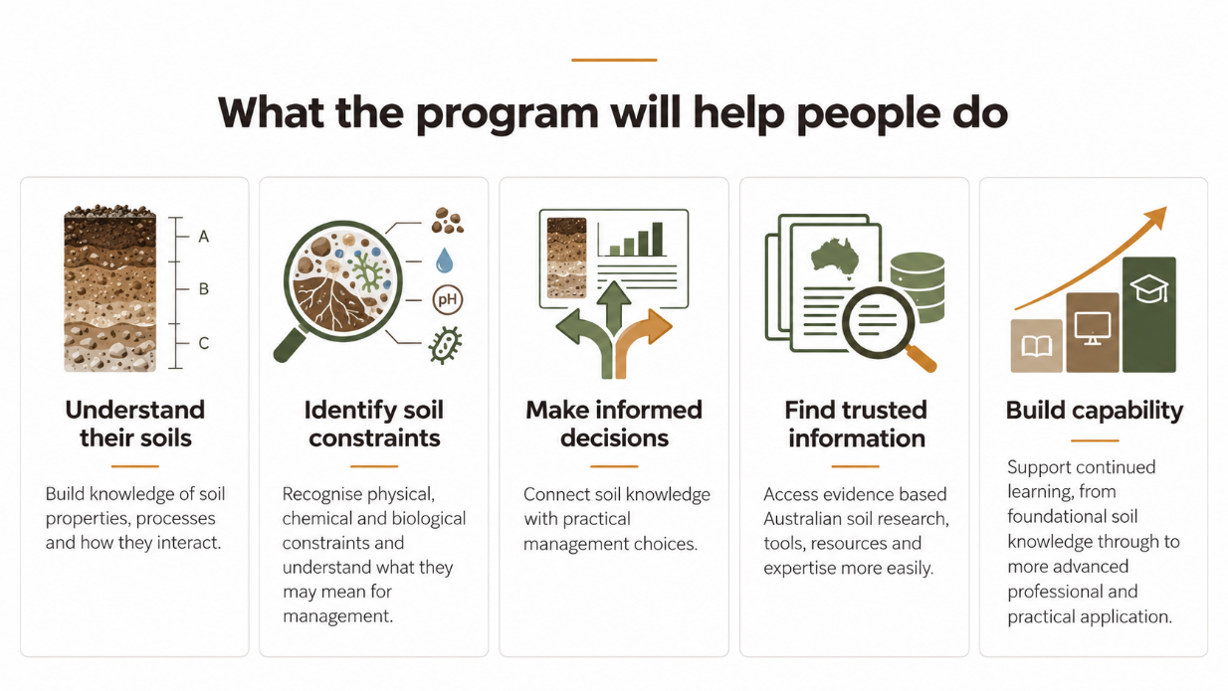
NSEO is working to better connect that knowledge and improve the pathways between soil science, learning and practical decision making.
WHAT WE ARE BUILDING
The program is developing a national gateway to trusted Australian soil knowledge, learning and practical resources.
The intention is not to replace trusted regional information or existing organisations. It is to make useful soil knowledge easier to discover, understand and apply.
Australian soils, farming systems and management challenges vary greatly between regions. A national resource therefore needs to connect trusted Australian soil science with regional context.
Tackling soil acidity, sodicity, compaction, and water repellenceto improve water-use efficiency
Grower group trials target priority regional constraints
ISTs deliver improved water capture, retention and water-use efficiency
National comparisons available for common treatments and region-specific options
Grower-led extension, interactive maps and online reporting
DESIGNED AROUND WHAT PEOPLE NEED
Growers and advisors are the primary audiences for the program.
Educators, students and emerging professionals are also important to building Australia’s future soil capability, supported by researchers, industry and other organisations involved in soil science and agriculture.
During 2026 and 2027, the team is working across Australian grain growing regions to better understand national and regional user needs.
Current work includes:
identifying learning requirements and knowledge gaps
reviewing existing Australian soil resources
planning the future national digital platform
improving connections between research, knowledge and practical decisions
testing ideas with growers, advisors and other users
developing the future national identity and user experience.
This work will inform the future national platform, resources and capability building activities.
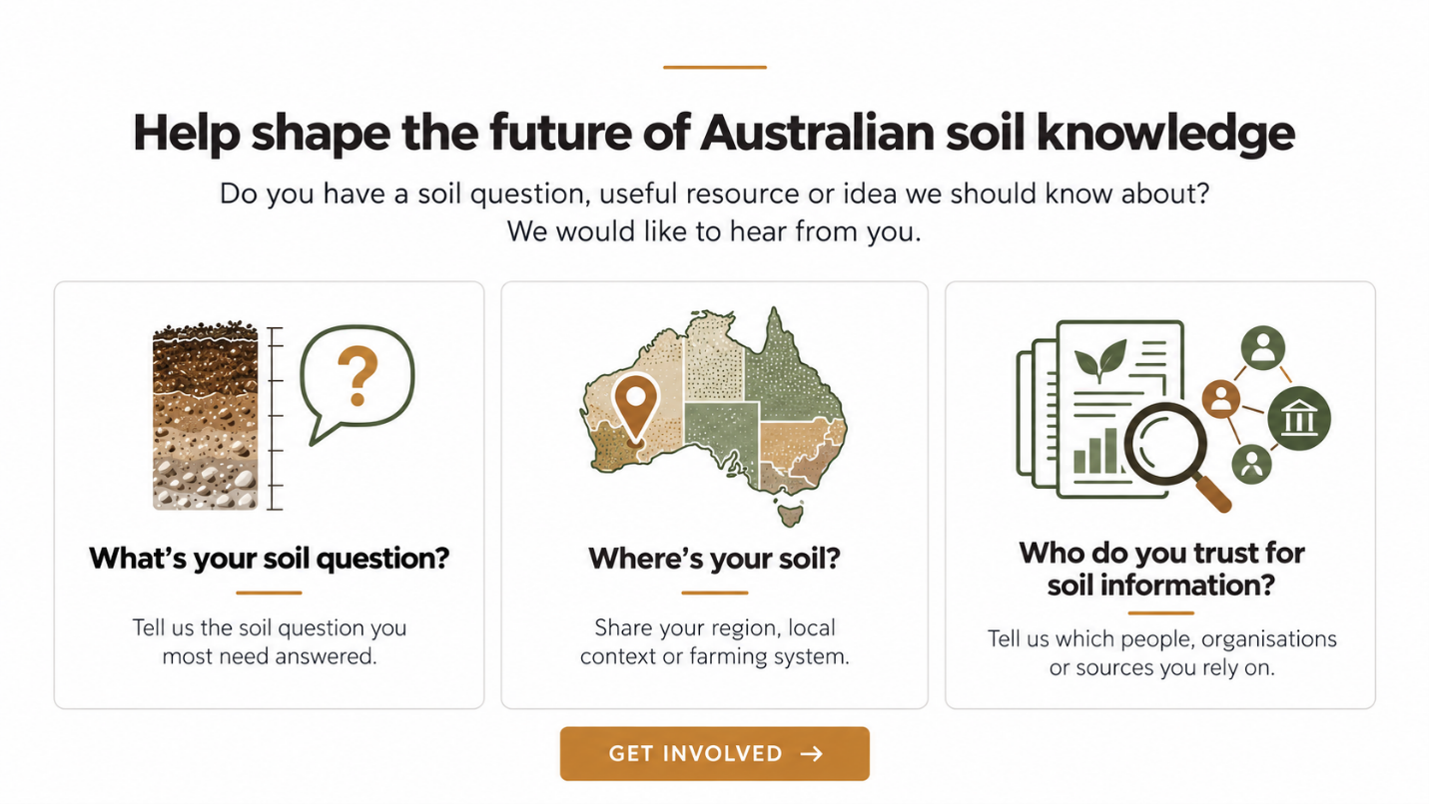
HELP SHAPE THE FUTURE OF AUSTRALIAN SOIL KNOWLEDGE
The program is currently in its discovery and development phase.
We are working with growers, advisors, educators, researchers, grower groups and industry to understand the questions people need answered, the decisions they need to make and how they want to access soil information.
We would like to hear from you.
Activities
Grower group engagement
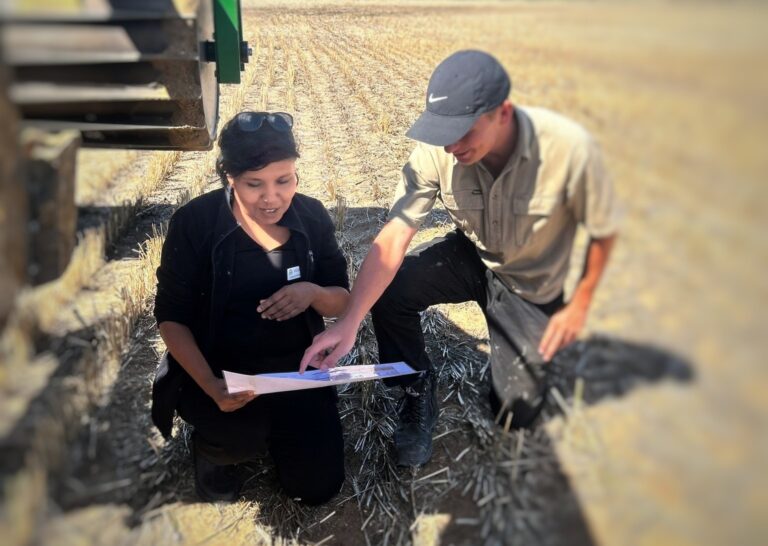
Co-designing trials with grower groups to ensure ISTs are based on the most limiting constraint at each site and match logistics and available machinery.
Improved performance and delivery
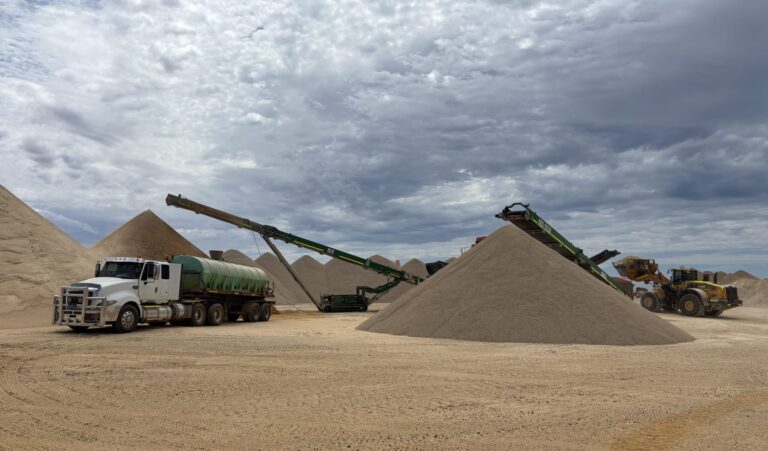
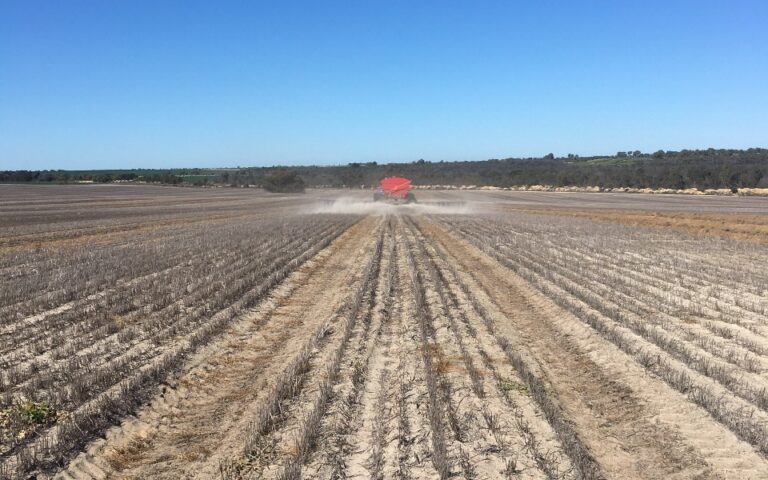
Pairing each constraint with the most relevant improvement strategy or technology, including micronised formulations, innovative deep ripping, spading, inclusion or liquid application techniques.
Consistent monitoring
Using instruments such as soil-moisture probes and weather stations to capture accurate and consistent trial site data, and incorporating measurements of plant water-use efficiency to enhance the understanding of crop performance under varying conditions.
Research support
Validating and refining treatments with targeted lab and glasshouse experiments.
Forecasting adoption
Embedding economics, agronomics and soil-related assessment and extension to judge cost-effectiveness and support future adoption by growers.
A NATIONAL PARTNERSHIP
The partnership brings together soil science, education, engagement, research translation and digital capability from across Australia.
Together, the partners are working to strengthen the connection between research, knowledge and practical application and build enduring soil capability.