AGGREGATE: NEWS & EVENTS
PhD opportunities: Crop and food innovation using genomics and bioinformatics
The research group (Genomics, Pre-Breeding and Bioinformatics) at the Centre for Crop and Food Innovation (CCFI)/ State Agricultural Biotechnology Centre (SABC), Food Futures Institute, Murdoch University, aims to deliver solutions to the evolving needs of the Australian agriculture and horticulture industry using high-end genomic tools and advanced molecular biology technologies.
We are engaged to improve wheat crop for drought, heat, salinity, frost and nutrient use efficiency, legumes for enhancing protein content and developing tolerance to drought and herbicide, and horticultural crops for improving fruit quality, nutrition and disease resistance. To achieve our research goals, we develop and deploy large-scale genomic resources (e.g. reference genomes, pangenomes, genetic markers, candidate genes, superior haplotypes, genotyping platforms and molecular diagnostics), functional genomics and bioinformatics tools and technologies.
In brief, our research work covers following areas:
- Genome sequencing and germplasm characterization
- Bioinformatics and computational genomics
- Trait discovery, prediction and pre-breeding
- Gene editing and functional genomics
- Linkages with industry and international partners
- Capacity building for global agriculture
Our research group has two fully funded PhD positions (including tuition fee and PhD stipend) available. We are seeking highly motivated, hard-working, and enthusiastic PhD students, who are interested and capable of contributing to a multi-disciplinary and culturally diverse research team to develop their career in agriculture industry and international agriculture.
Interested candidates are encouraged to send their research interest and CV to Prof Rajeev Varshney, Director, Centre for Crop & Food Innovation; Director, State Agricultural Biotechnology Centre; International Chair in Agriculture & Food Security, at rajeev.varshney@murdoch.edu.au , preferably before February 15, 2023.
MORE STORIES

Legume research to improve sustainable cereal rotations
DPIRD MEDIA RELEASE: The nitrogen benefit from different legume species in cereal-based crop rotations has been quantified by Western Australian research to help boost yields, reduce fertiliser costs and industry emissions.

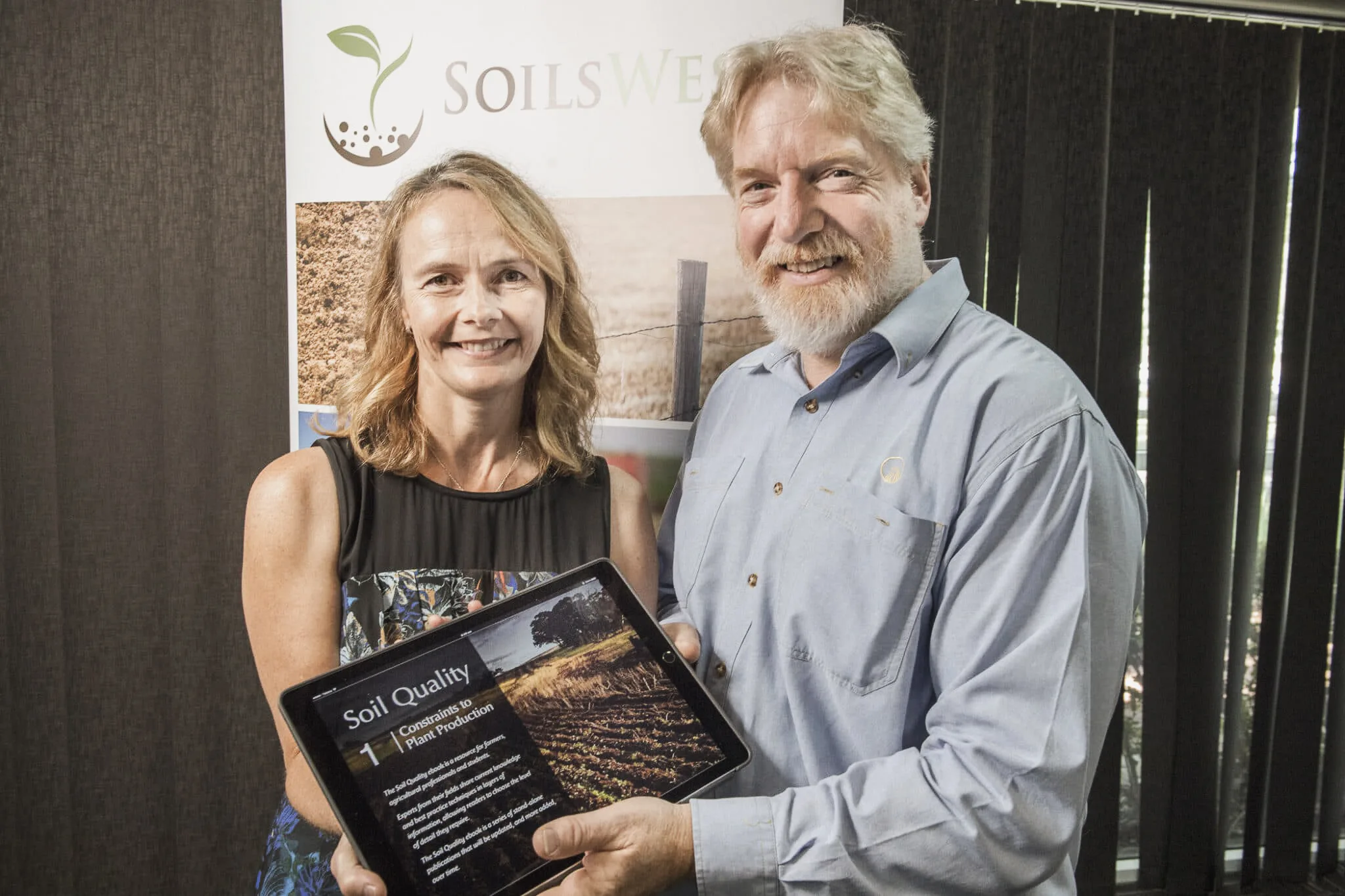
New online courses dig deeper to deliver critical soil information
Soil Quality Courses was launched at the 2026 GRDC Grains Research Update held in Perth over the last two days.

What makes a good maintenance lime strategy?
In this third and final instalment of the DPIRD Lime Series, we look at estimating maintenance lime rates.

This combination is sublime
In this second instalment of the DPIRD Lime Series, we look at the benefits of improved crop root development in ameliorated soils.