GROWERS wrestling with deep sand, low water retention and poor nutrient-holding capacity are invited to a Wickepin field walk where three Murdoch University (MU) researchers will unpack results from a long-term trial at nearby Bullaring.
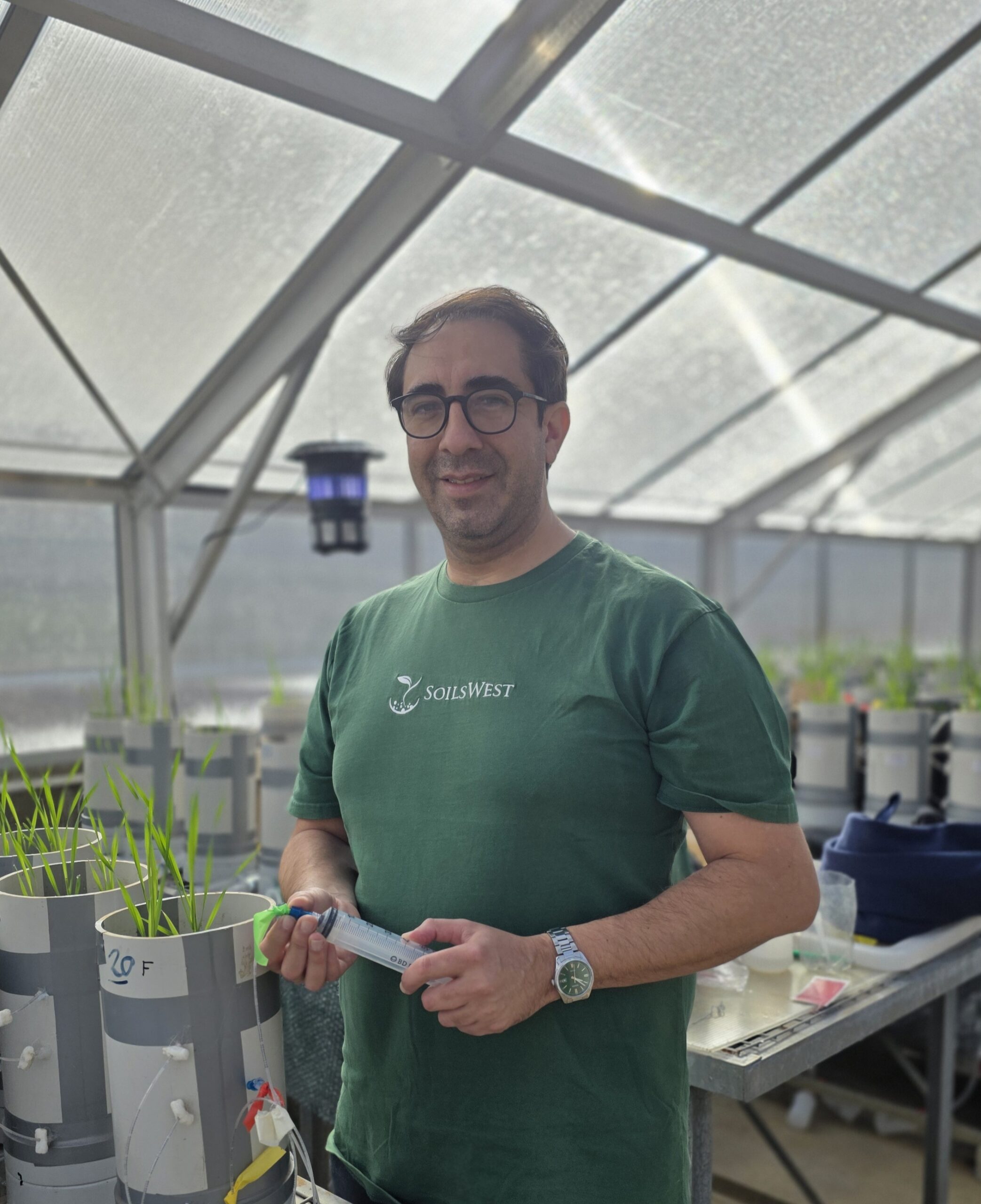
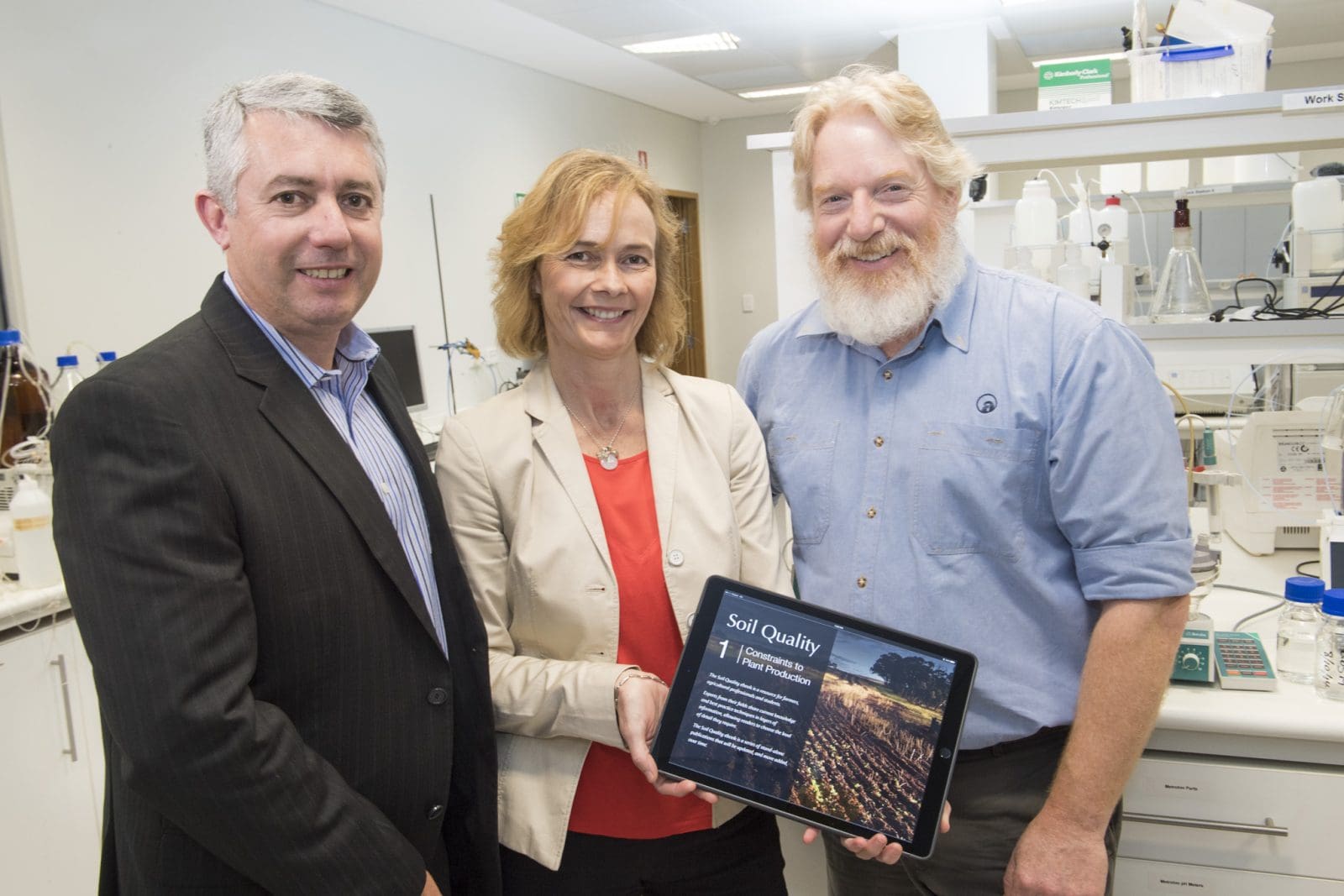
Dr Hassan Sardar, Dr Wendy Vance and Emeritus Professor Richard Bell will feature at the August 20 event, which Facey Group has organised as part of its 25th anniversary celebrations.
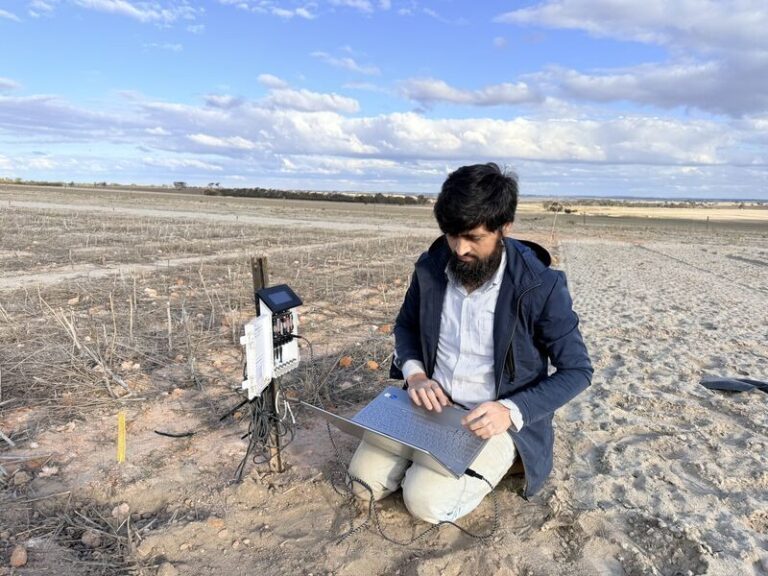
The Bullaring trial has been hosted on land owned by Alan Manton and Dr Kelly Pearce since 2022. The paddock is classic deep sand — less than 3% clay in the top 40 cm — making water and nutrient retention a constant battle.
Facey Group has monitored the site while MU has led the research, testing a broad range of soil amelioration solutions (deep ripping and clay incorporation) and plant-based strategies (crop mixes and sequencing).
Insight 1: Clay isn’t a one-and-done fix
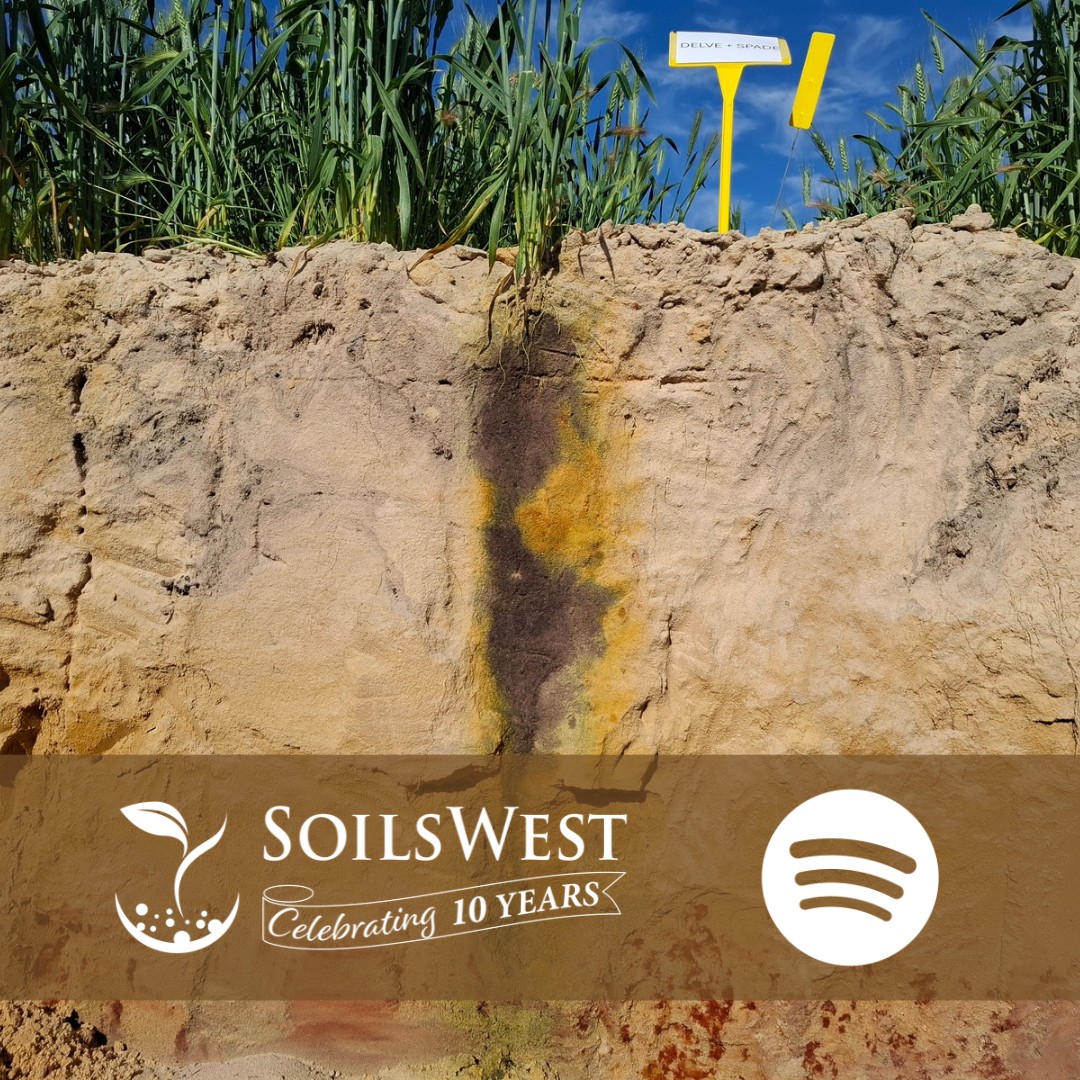
Dr Sardar said benefits of the initial clay treatment (100 t/ha) had faded after one year, and that deep ripping alone showed no significant gains. That led the team to trial a heavier rate of 300 t/ha, which was incorporated via spading to 30 cm.
“We found that while clay incorporation through spading helped with topsoil water retention, it negatively affected crop establishment in the first season, presumably because of deep seed placement in the loosened soil,” he said.
Insight 2: Double legumes, real returns
Intercropping two legumes (lupin and vetch) in 2024 paid off the following season. Canola yield was 0.7 t/ha greater in 2025 with measurable increases also recorded in soil nitrogen (N) and plant N uptake.
“The yield benefits were consistent with higher soil N and plant N uptake in the plots cultivated with double legumes in the previous season,” Dr Sardar said.
Dr Sardar added that the field walk wasn’t just about sharing data but recognising the partnership behind it.
“Research for growers is the goal, which can be achieved by working with regional grower groups like Facey to build strong relationships with growers and understand their problems,” he said.
Dr Manish Sharma (UWA), Dr Yvette Oliver (CSIRO), Dr Meredith Guthrie (DPIRD) and Allan Rattey (InterGrain) will join the MU team at the field walk, giving growers a rare chance to hear directly from researchers shaping the future of sandy soil management in Western Australia.
Established in 2001, Facey Group is a grower-led, not-for-profit organisation that connects Wheatbelt farmers with relevant industry research and people.
This trial was initially supported by the WA Department of Primary Industries and Regional Development’s Future Carbon Program and the Soil CRC (2022–2025), and later by the Soil CRC through the Australian Government’s Future Drought Fund (2024-2028).